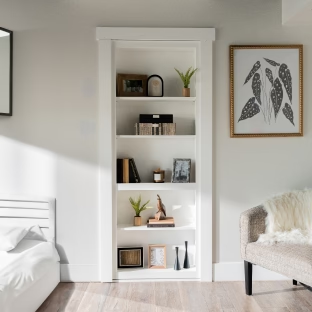
A truly adaptable home begins with accessibility. More than a design feature, accessibility is a mindset, one that prioritizes comfort, function, and dignity for everyone who enters your space. Whether it’s a toddler just learning to walk, an aging parent staying for the holidays, or a friend navigating with limited mobility, a home should offer a welcoming experience that meets people where they are.
Thoughtful design choices can make all the difference. Wider walkways allow for smoother movement. Pull-out drawers eliminate the need to crouch or reach. Lowered surfaces, open shelving, and built-in bench seating add both comfort and practicality. Layered lighting, non-slip flooring, and easy transitions between rooms create a safe and intuitive environment for daily life.
Accessibility is about creating a space that supports every generation, every ability, and every lifestyle stage with grace and intention.

Spaces With Purpose and Possibility
Beyond accessibility, adaptability shines in how well your home can respond to life’s changes. A home office today might be a nursery next year. A playroom might evolve into a study lounge or guest room. Life does not stand still, and your home should not either.
Multipurpose design allows rooms to serve more than one function without feeling temporary or disjointed. With the right cabinetry, modular furniture, or integrated storage, it is easy to shift a room’s use without sacrificing style. Some of the most flexible spaces include:
- A guest suite that doubles as a work-from-home setup
- A dining area that transitions into a conference space
- A media room that transforms into a yoga studio
- A playroom outfitted with hidden beds or wall units
These spaces are designed with purpose and built with possibility in mind.

Seasonality and the Rhythm of Life
Adaptability also means designing for the ebb and flow of the seasons. During the holidays, families may need additional sleeping arrangements or gathering space. In warmer months, open layouts that connect indoor and outdoor living become essential. When school is in session, dedicated study zones or quiet workspaces may take priority.
Designing with seasonality in mind ensures your home feels aligned with your lifestyle year-round. That might mean including custom built-ins that provide both everyday storage and the flexibility to shift a room’s function as needed. It might mean choosing materials and layouts that are easy to clean, rearrange, or reset depending on the time of year.
Design That Responds to You
At its core, adaptable design is about creating a home that works for you as your needs evolve. When your space is designed to shift with your lifestyle, it becomes more than a beautiful home. It becomes a responsive one.
Adaptable homes are not just about maximizing square footage. They are about maximizing potential. They offer a place that grows with your family, welcomes all your guests, supports your changing needs, and reflects the way you truly live.